The OIF GenerationA field guide to the Iraq War and the generation that fought it
Reference
About This Guide
Independent, nonpartisan, and written for those who served and those who want to understand them.
Brig. Gen. Michael Lally and Col. Dan Hokanson lead soldiers down the steps of the Ziggurat of Ur, outside Camp Adder near Nasiriyah, July 31, 2009. The 4,000-year-old temple had stood inside the base until it was returned to Iraqi control. U.S. Army photo by Spc. Cory Grogan (public domain)
Purpose
The Iraq War is now history for a generation of students, but it remains a living memory for the people who fought it. This guide tries to serve both: a clear, accurate account of the war, and a practical resource for veterans.
Iraq: the land they served in
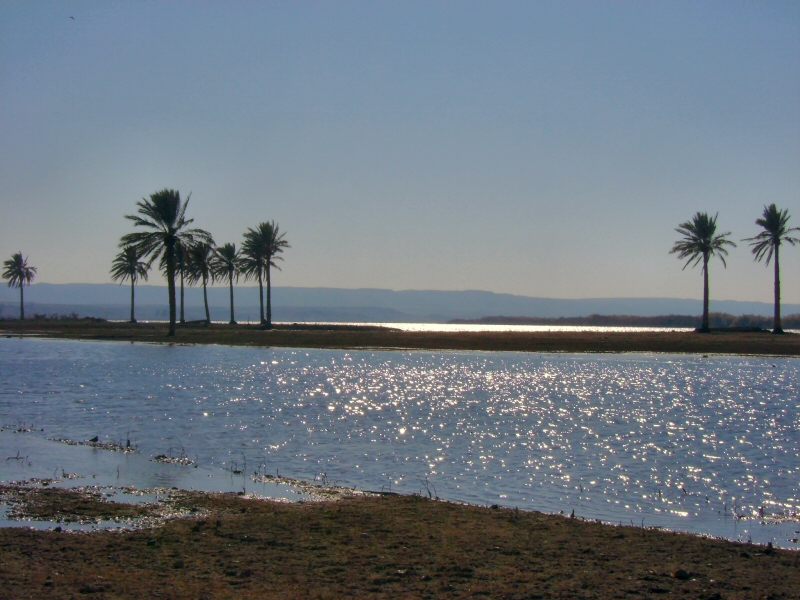
The country the OIF generation came to know: two great rivers, the ruins of the first cities, marshes, mountains, and long desert sunsets. Every photograph below is public domain or openly licensed, credited under each image.
A 180-degree panorama of ancient Babylon, made from thirteen frames during a tour given to soldiers of the 155th Brigade Combat Team by Iraqis, March 21, 2005. U.S. Navy photo by Chief Photographer's Mate Edward G. Martens (public domain)
Soldiers of the 155th Brigade Combat Team at the reconstructed Ishtar Gate of Babylon, March 30, 2005. Iraqis led the tour as a gesture of goodwill. U.S. Navy photo by Edward Martens (public domain)The 14th of July Bridge over the Tigris in Baghdad, reopened October 25, 2003, for the first time since the fall of the regime. U.S. Army photo (public domain)Soldiers of the 3rd Squadron, 7th Cavalry, 3rd Infantry Division cross the Tigris with the 814th Engineer Company to search an island in southeastern Baghdad, October 21, 2005. U.S. Army photo by Spc. Gul A. Alisan (public domain)Iraqi river police and soldiers of the 94th Military Police Company scan the Tigris on a joint patrol in Baghdad, October 17, 2010. U.S. Army photo by Staff Sgt. Jennifer Menger (public domain)The spiral minaret of the Great Mosque of Samarra, on the Tigris north of Baghdad, December 2007. Samarra is a UNESCO World Heritage Site. Photo by Jim Gordon, CC BY 2.0, via Wikimedia CommonsSoldiers of the 17th Fires Brigade climb the reconstructed stairs of the Ziggurat of Ur near Contingency Operating Base Adder, May 18, 2010. U.S. Army photo by Spc. Samantha Ciaramitaro (public domain)Airmen from Ali Air Base share a water fight with Iraqi children at the Ziggurat of Ur, August 21, 2007, the first time in more than ten years that Iraqi civilians were allowed on the site. U.S. Air Force photo by Senior Master Sgt. Robert Valenca (public domain)The Euphrates, lined with date palms, in central or southern Iraq, 2006. Photo by Jayel Aheram, CC BY 2.0, via Wikimedia CommonsThe Mesopotamian Marshes of southern Iraq, between Amarah, Nasiriyah and Basra. Photo by Taisir Mahdi, CC BY-SA 4.0, via Wikimedia CommonsSulaymaniyah and the mountains of the Kurdistan Region in northern Iraq, April 2017. Photo by Wary Abdullah, CC BY-SA 4.0, via Wikimedia CommonsGround crew wash down an AH-64D Apache of the 1st Infantry Division's Combat Aviation Brigade before a night mission in northern Iraq, December 22, 2007. U.S. Army photo by Maj. Enrique Vasquez (public domain)Sunset over Z Lake at Camp Liberty, Baghdad, February 11, 2010. Many soldiers named the sunsets among their favorite things about Iraq. U.S. Army photo by Sgt. 1st Class Kristina Scott (public domain)
Standards
Accuracy. Facts are drawn from official and reference sources listed on the Sources page.
Nonpartisan. The guide does not take sides on whether the war should have been fought. It records what happened and recognizes those who served.
Respect. The fallen and the wounded are described with care.
Privacy. The guide does not publish personal details of living veterans beyond the public record, except with consent.
Corrections
If you served and something here is wrong, it will be corrected.